
Protein
Muscle, tissue repair, immune function.
Look for named animal proteins at the top of the ingredient list. Working and sporting breeds need more; sedentary dogs need less. Quality matters more than percentage.
WagLine · Nutrition
Dietary needs and healthy habits to keep a dog in peak condition — feed for the dog in front of you.
The Diet
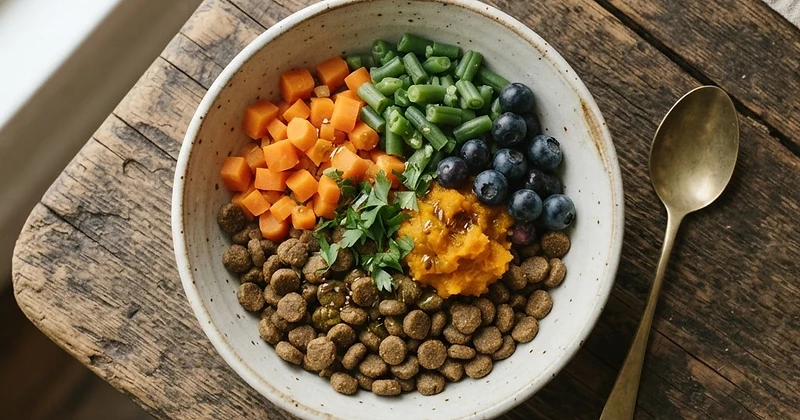
A dog is built from what it eats. The right food in the right amount does more for energy, coat, joints, and longevity than any supplement. WagLine's nutrition guidance is simple: feed for the dog in front of you — its age, its size, and the work it does — and measure everything.
Building Blocks
Muscle, tissue repair, immune function.
Look for named animal proteins at the top of the ingredient list. Working and sporting breeds need more; sedentary dogs need less. Quality matters more than percentage.
Energy, coat, and absorption of vitamins.
Healthy animal fats and fish oils supply omega-3s for skin and joints. Too little leaves a dog dull; too much adds weight fast. Balance to the dog's output.
Steady energy and digestion.
Whole grains and vegetables provide fiber and slow-release energy. A working dog needs more; a house dog needs less. Avoid fillers that add bulk without value.
Bone, blood, and cellular health.
A complete food supplies these in balance. Adding supplements without a reason can cause harm — large-breed puppies especially need controlled calcium, not extra.
Everything.
Clean, fresh water at all times. A dog loses water fast through exercise and heat. Hydration is the single most overlooked part of feeding.
By Life Stage
Feed a growth formula matched to the puppy's expected adult size. Large-breed puppies need controlled calcium and measured meals to protect developing joints. Three meals a day through six months.
Feed to maintain a lean, conditioned body. Most adults do well on two meals a day. Adjust portions to activity, not to the bag's chart — every dog burns differently.
Metabolism slows and joints need support. Move to a senior formula or add joint-supporting nutrients, and watch the scale closely. Older dogs gain weight quietly.
High-output dogs need more calories, more protein, and often more fat. Feed around work — a light meal before, the main meal after recovery. Hydration is critical.
Healthy Habits
Free-feeding is how dogs get fat. Use a measuring cup or a scale. The number on the bag is a starting point, not a rule — adjust to your dog's body.
Two meals at consistent times regulate digestion, energy, and house training. A fed dog is a predictable dog.
You should feel ribs easily under a thin fat layer and see a tucked waist. Weight on a scale lies; body condition tells the truth.
Dogs that gulp are dogs that bloat. A slow feeder or a scatter-fed meal slows eating and adds mental work.
Treats are training currency, not a food group. Keep them under a tenth of daily calories or they quietly unbalance the diet.
Change foods over a week, mixing old and new in increasing ratios. Sudden switches cause stomach upset that's mistaken for a bad food.
Keep Out of the Bowl
Theobromine is toxic; darker chocolate is more dangerous.
Can cause acute kidney failure, even in small amounts.
Damage red blood cells; cumulative across meals.
A common sweetener in sugar-free gum and peanut butter — causes dangerous blood-sugar crashes.
Splinter and can puncture the digestive tract.
Persin causes vomiting and diarrhea in dogs.
Both toxic; no amount is safe.
Cause weakness, tremors, and fever.
WagLine offers general guidance, not veterinary advice. Every dog is an individual — confirm any diet change with your veterinarian, especially for puppies, seniors, and dogs with health conditions.